

Dubai’s fashion market has always been influenced by changing tastes, international trends and the city’s diverse population. What is changing more noticeably now is not only what people buy, but how they discover and choose the products they wear.
Thank you for reading this post, don't forget to subscribe!A customer who once relied mainly on shopping malls and local boutiques can now discover new brands through social media, search engines, online marketplaces and recommendations from other shoppers. This has created a more connected retail environment where the journey from discovering a product to purchasing it can happen almost entirely online.
The shift is particularly interesting in categories where tradition and contemporary fashion meet, including the abaya market.
Shopping Starts Before Customers Enter a Store
The modern shopping journey often begins with research.
Someone may see a product on social media and search for more information. Another shopper may begin with a Google search because they already know the type of product they want. Others may ask friends for recommendations or read reviews before visiting a retailer.
This means retailers have to compete for attention before a customer ever walks through their doors.
A fashion business with a strong digital presence can introduce its products to potential customers earlier in the decision-making process. Product photographs, collection pages, customer reviews and useful information all contribute to that first impression.
The physical store remains important, but it is no longer necessarily the starting point.
Social Media Has Become a Fashion Discovery Tool
Social media has changed the relationship between fashion brands and customers.
A new collection can be presented through photographs, short videos and styling content within minutes. Customers can discover a design while scrolling through their social feeds and then visit the retailer’s website to explore it further.
This is particularly useful for fashion because customers often want to see a product rather than simply read about it.
Colours, fabrics, silhouettes and small design details can be communicated much more effectively through visual content.
For retailers, this means social media is not simply a place to advertise products. It can become part of the discovery and consideration stages of the buying journey.
Online Reviews Have Greater Influence
When customers shop online, they have to make decisions with less physical interaction with the product.
Reviews can help fill that gap.
A shopper may want to know whether an item matches its photographs, whether the sizing is accurate or how quickly an order was delivered. Feedback from previous customers can provide practical information that a product description may not cover.
For fashion retailers, maintaining a good customer experience therefore has a wider effect than simply encouraging repeat purchases. Satisfied customers can contribute to the confidence of future shoppers through reviews and recommendations.
That makes customer service an increasingly visible part of digital marketing.
The Abaya Market Is Adapting Too
The abaya remains an important part of fashion in the UAE, but the way customers shop for it has evolved.
There is now a much wider range of designs, colours, fabrics and cuts available to shoppers. Customers can explore everyday styles, formal designs, seasonal collections and contemporary interpretations without necessarily visiting multiple stores.
Someone searching for a Dubai Abaya Shop can compare different collections online before deciding which retailer best matches their preferences.
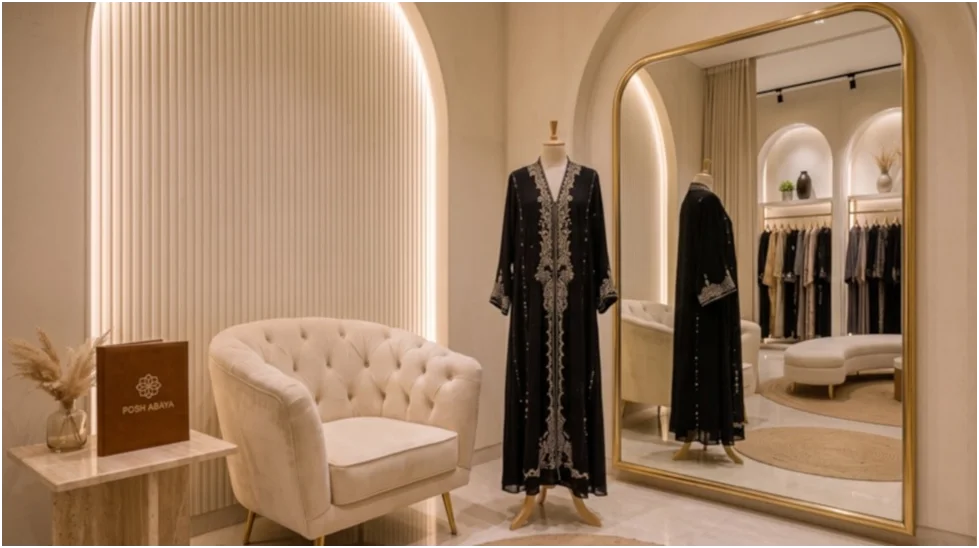
This does not eliminate the value of visiting a physical boutique. For many shoppers, seeing the fabric and understanding the fit remain important. Online discovery simply gives customers more information before they make that visit or place an order.
Convenience Is Becoming a Competitive Advantage
Convenience has become one of the strongest reasons people shop online.
Customers can browse outside normal shopping hours, compare products without travelling between locations and place orders from home. For busy professionals and customers who already know what they want, that can make online shopping particularly attractive.
But convenience goes beyond simply offering an online checkout.
A website needs to make the process easy from beginning to end. Customers should be able to find products quickly, understand sizing, see clear photographs and access information about delivery and returns.
If any of these steps becomes unnecessarily complicated, the convenience of online shopping can quickly disappear.
Customers Are Looking for More Than Products
Modern shoppers increasingly evaluate the overall brand experience.
Two retailers may sell similar products, but customers can perceive them very differently depending on the quality of the website, product presentation, communication and customer service.
For fashion brands, storytelling can also play a role.
Customers may want to understand the inspiration behind a collection, the materials used or the thinking behind a particular design. This information can give products more context and help a brand develop a recognisable identity.
The result is a move away from simply displaying products toward creating a complete experience around them.
Seasonal Trends Can Change Demand
Fashion demand rarely stays constant throughout the year.
Weather, holidays, celebrations and cultural occasions can all influence what customers are interested in buying. Dubai’s retailers therefore have to pay attention to seasonal behaviour when planning collections and campaigns.
Lighter materials may become more attractive during hotter periods, while different fabrics and layering options can become relevant during cooler months.
Ramadan, Eid, weddings and other occasions can also influence shopping patterns.
Online retail makes it easier for businesses to respond to these changes because collections and promotional content can be updated quickly.
Technology Is Making Comparison Easier
One of the biggest advantages of digital shopping is the ability to compare.
Customers can open several websites, look at different collections and assess prices, styles and policies before making a decision.
This has made transparency more important.
Retailers need to provide enough information for customers to understand what they are buying. High-quality images, accurate descriptions, measurements and clear policies can all reduce uncertainty.
For specialised fashion retailers, this information can be particularly valuable because customers may be comparing products that look similar at first glance but differ significantly in fabric, construction or detailing.
The Role of Data Is Growing
Every online interaction can provide useful information.
Retailers can examine which products receive the most attention, which pages customers visit and where shoppers leave the purchasing process. Over time, these patterns can help businesses understand customer preferences.
For example, if a collection receives strong traffic but limited purchases, the retailer may investigate whether the issue relates to pricing, product information, photography or availability.
Data does not automatically provide the answer, but it can show businesses where to look.
This can make future decisions about product selection, website structure and marketing campaigns more informed.
Physical and Digital Shopping Are Working Together
The idea that online shopping will completely replace physical retail is too simplistic.
In fashion, customers often value both experiences.
A shopper might discover a collection online and visit a boutique to see it in person. Another may visit a store and later return to the website to purchase a different colour or explore a wider collection.
Retailers that connect these experiences can provide greater flexibility.
The customer does not have to choose between online and offline shopping. Instead, both channels can serve different parts of the same purchasing journey.
What This Means for Dubai’s Fashion Businesses
The changing shopping habits in Dubai are creating opportunities for both established retailers and smaller specialist brands.
Businesses that understand their customers, maintain a strong online presence and provide useful information can make it easier for shoppers to discover their products.
At the same time, traditional strengths such as product quality, design, personal service and understanding local preferences remain important.
Technology has changed the route customers take to a purchase, but it has not removed the fundamentals of good retail.
Dubai’s fashion market is therefore moving toward a model where digital discovery and physical experience complement each other. Customers have more ways to find products, more information with which to compare them and more flexibility in deciding how and where they want to shop.